

Yet some of the most effective principles of UX design haven't changed in decades. Don't Make Me Think, written by Steve Krug in the early days of the internet, is as relevant to UX now as it was 25 years ago. The designers who understand this—who can blend timeless usability insights with modern design execution—are the ones creating websites that both delight users and drive business results. Here's how to join them.
Why UX-focused design matters
(and aesthetics aren't enough)
What does any designer want? To delight users, of course. Many designers, perhaps mindful that users form their first impressions in just 50 milliseconds, tend to work toward this goal by focusing on beautiful aesthetics. And to some extent, this works: users rate attractive designs as more usable even when they're not. (In user research, this is known as the aesthetic-usability effect.)
Still, flashy microinteractions and trendy color palettes can only get you so far. As Aaron Walter, the former director of UX for Mailchimp, explains in his book Designing for Emotion, user delight can only happen once the foundational boxes for functionality and usability are checked. Once those elements are placed, you can layer on beauty.
"The design industry is at a crossroads. AI tools are revolutionizing how we create layouts and generate ideas, but user expectations have never been higher."
1. Use clear visual hierarchy to tell users what to do
Most websites fail because users can't figure out what to do first. They land on your page, scan for three seconds, and leave confused. The problem isn't that your content isn't valuable—it's that your visual hierarchy isn't doing its job.
Fix the fundamentals:
- •Make your primary CTA the highest-contrast element on the page
- •Use size to signal importance—your main headline should dominate
- •Group related information with proximity and spacing
- •Design for scanning by putting key takeaways in your headings
2. Make your site lightning-fast so your users never have to wait
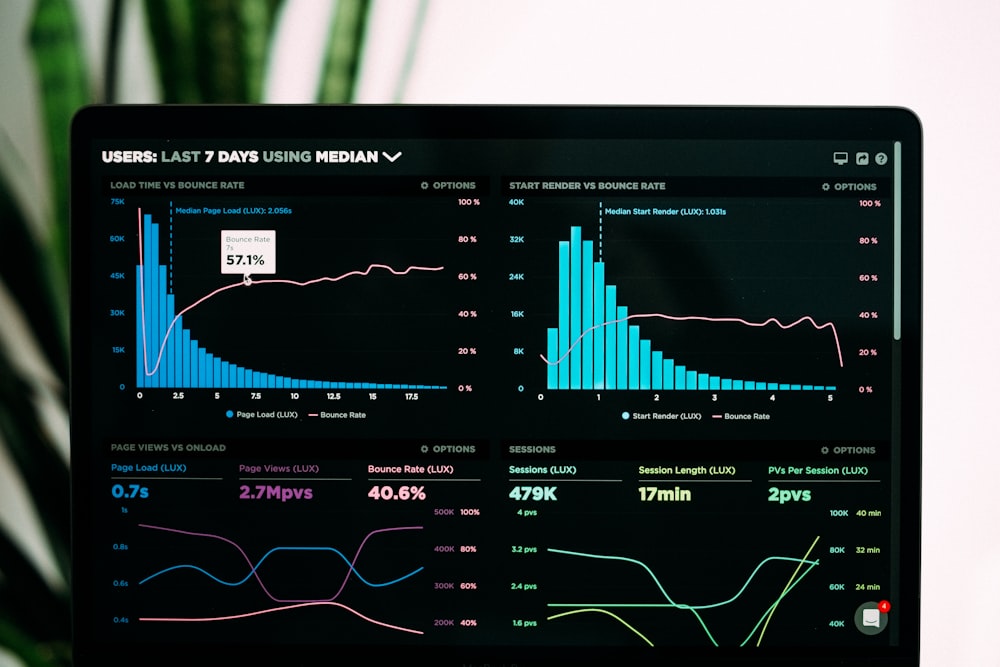
As designers, we influence performance more than we realize. Unfortunately, that means many designers unknowingly sabotage website loading time through well-intentioned experience choices. Every custom font, high-resolution image, and smooth animation adds weight that translates to lost revenue.
3. Design responsive experiences
The web is increasingly accessed through mobile devices. Responsive design is no longer an afterthought; it's a requirement. This means considering how your layout shifts, how touch targets are sized, and how content is prioritized across different screen sizes.